
Celebrity gamblers risk-takers or wise investors
The Allure of Gambling for Celebrities
Gambling has always held a certain allure for celebrities, often viewed as a glamorous pastime. Many high-profile personalities enjoy the thrill of high-stakes gambling, where the potential for significant winnings can be as enticing as the social environment of casinos. For some, this is an extension of their lifestyles, where the risks taken mirror the risks in their careers, from dramatic film roles to unpredictable music tours. Platforms like Casino Mate offer a range of games that attract these high-profile players seeking both excitement and the chance to maximize their bankroll.

Moreover, the celebrity status often grants access to exclusive gambling venues, where the ambiance caters to high rollers. These venues provide not just games, but an entire experience filled with luxury and opulence. This unique environment encourages risk-taking, as the stakes feel just as high as those in the world of fame and fortune. Consequently, these environments can lead celebrities to indulge in a lifestyle that prioritizes thrills over caution.
However, the question arises: are they merely risk-takers, or do they possess a strategic mindset when it comes to gambling? The answer varies greatly among individuals, as some celebrities use their knowledge and resources to make calculated bets, while others may succumb to the thrill of the game without a second thought. Understanding this duality is key to deciphering the motives behind celebrity gambling habits.
Gambling Strategies Employed by Celebrities
Many celebrities approach gambling with strategies that can resemble investing, especially when large sums of money are at stake. Some employ statistical analysis, examining the odds and probabilities before placing bets, much like a stock trader evaluating market trends. By making informed decisions, these individuals often demonstrate a level of financial literacy that goes beyond mere risk-taking.
Additionally, some celebrities collaborate with seasoned gamblers or financial advisors to create tailored strategies. This partnership can transform gambling into a calculated venture rather than a spontaneous hobby. By blending entertainment with financial acumen, these individuals can maximize their bankroll effectively, taking calculated risks that may yield substantial returns.
However, the inherent unpredictability of gambling means that even the most strategic players can experience significant losses. This duality highlights the fine line between wise investment and reckless gambling. Celebrities who embrace this approach may find themselves battling public perception, as the line between a wise investor and a risk-taker blurs in the eyes of their fans and critics alike.
Consequences of Gambling on Celebrity Lives
The consequences of gambling can be profound, affecting not just finances but also personal relationships and mental health. Many celebrities have faced public scrutiny due to their gambling habits, which can lead to a tarnished reputation or strained friendships. The high stakes involved can exacerbate existing issues, turning gambling from a fun escape into a potential addiction.
Moreover, stories of celebrities who have lost vast fortunes due to gambling often dominate tabloids, further perpetuating the narrative of recklessness. These public narratives can create a stigma around gambling, painting all celebrities as irresponsible risk-takers. In contrast, there are those who manage to maintain their financial stability and reputations, proving that a balanced approach to gambling can exist.
Understanding the psychological impact of gambling is crucial as well. The thrill and adrenaline rush can lead to a cycle of highs and lows, which some find addictive. Recognizing when gambling shifts from a source of entertainment to a detrimental habit is essential for both celebrities and everyday players alike. This awareness can lead to healthier gambling behaviors, fostering a more sustainable approach to risk-taking.
Famous Celebrity Gamblers: Success Stories and Cautionary Tales
Throughout the years, numerous celebrities have made headlines for their gambling exploits, showcasing a mix of both success and cautionary tales. For example, the legendary sports figure Michael Jordan is known for his passion for gambling, which some argue fueled his competitive nature. Despite facing criticism, Jordan’s strategic approach to betting reflects a mindset that blends both risk-taking and careful consideration.
Conversely, celebrities like Ben Affleck have faced consequences due to their gambling activities. Affleck’s story highlights how even high-profile individuals can struggle with gambling addiction, leading to public incidents that draw both sympathy and condemnation. These stories serve as reminders that gambling is not merely a glamorous pastime; it can have real-world consequences that affect individuals and their families.
In analyzing these varying experiences, it becomes evident that celebrity gamblers walk a precarious tightrope. While some achieve significant financial success and navigate their gambling habits responsibly, others find themselves grappling with the repercussions of their decisions. These narratives contribute to a broader conversation about gambling’s role in modern celebrity culture and the fine balance between excitement and responsibility.
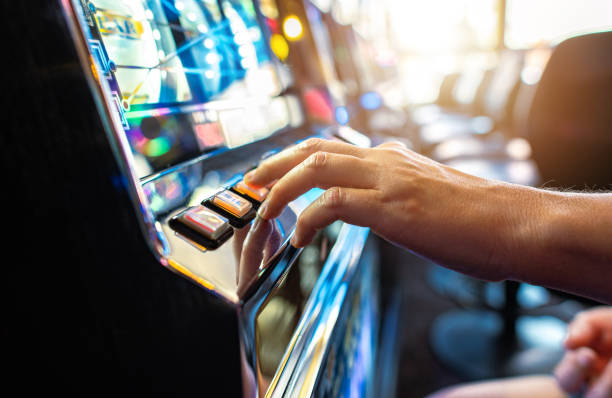
Exploring Online Gambling: The Rise of Digital Platforms
The digital age has revolutionized gambling, with online platforms providing a new avenue for celebrity gamblers. This shift allows individuals to gamble from the comfort of their homes, creating opportunities for both casual play and high-stakes betting. Online casinos often offer enticing bonuses and a wide variety of games, making them appealing not just to everyday players, but also to those in the spotlight.
Platforms like Casino Mate Australia exemplify this trend, catering specifically to players seeking a user-friendly experience. With a vast selection of games and attractive welcome bonuses, these digital platforms redefine how gambling is approached. Celebrities can now enjoy the thrill of the casino without the public eye, enabling a more personal gambling experience.
However, the convenience of online gambling also brings risks, as it can lead to impulsive betting behaviors. Without the physical presence of a casino, some may struggle to set limits, leading to potential financial repercussions. As celebrities navigate this landscape, understanding responsible gambling practices becomes even more crucial in maintaining a balance between entertainment and financial stability.